By the end of 2023, the global mobile esports audience surpassed 350 million people. That’s a jump of 12 % from 2022, and it means more than half of all competitive gamers now pick up a phone instead of a console or PC. The growth is not just in numbers; it’s in depth. In 2024, the top five mobile titles— Mobile Legends, Call of Duty: Mobile, PUBG Mobile, Garena Free Fire, and League of Legends: Wild Rift— collectively drew 1.2 billion hours of competitive play each month.
Hardware That Keeps Up
Modern smartphones now ship with 12‑core CPUs, 8‑core GPUs, and 12 GB of RAM. That hardware can run real‑time physics, 60‑fps graphics, and low‑latency networking on a device that weighs less than an iPad. Game developers are squeezing performance out of the same chip that powers everyday apps, so a player can jump from a casual match to a 3‑v‑3 tournament without a hiccup. The 5G rollout has cut ping times to under 30 ms in most urban centers, which is on par with wired LAN setups for many mobile games.
Monetization Models That Work
Unlike traditional esports, mobile titles use a “free‑to‑play” model. Players pay for cosmetic skins, battle passes, and time‑bound events, not for the game itself. In 2023, the average revenue per paying mobile esports user reached $12.50, higher than the $8.30 average for PC titles. That revenue feeds into prize pools that now hit $1 million for the World Mobile Games Championship, making it the most lucrative mobile event in history.
If you’re looking to try your luck online, Verywell casino offers a safe and exciting experience.
Community and Accessibility
Because almost everyone owns a smartphone, the barrier to entry is low. A 10‑minute tutorial in Call of Duty: Mobile can turn a complete novice into a competitive player in a single session. Communities form around regional leagues— for example, the Southeast Asian Mobile League— where players compete for sponsorships that cover travel, coaching, and gear. Yet, this accessibility can be a double‑edged sword: the same low entry threshold also means a higher rate of account fraud and cheating, which developers are fighting with AI‑driven anti‑cheat systems.
From Mobile to the Big Screen
Many top mobile players now cross over into PC and console tournaments. In 2024, three former Mobile Legends champions joined the League of Legends competitive scene, bringing fresh strategies that reshaped team compositions. This trend shows that skills learned on a thumb‑tapped interface can translate into high‑level play on any platform.
Verywell casino
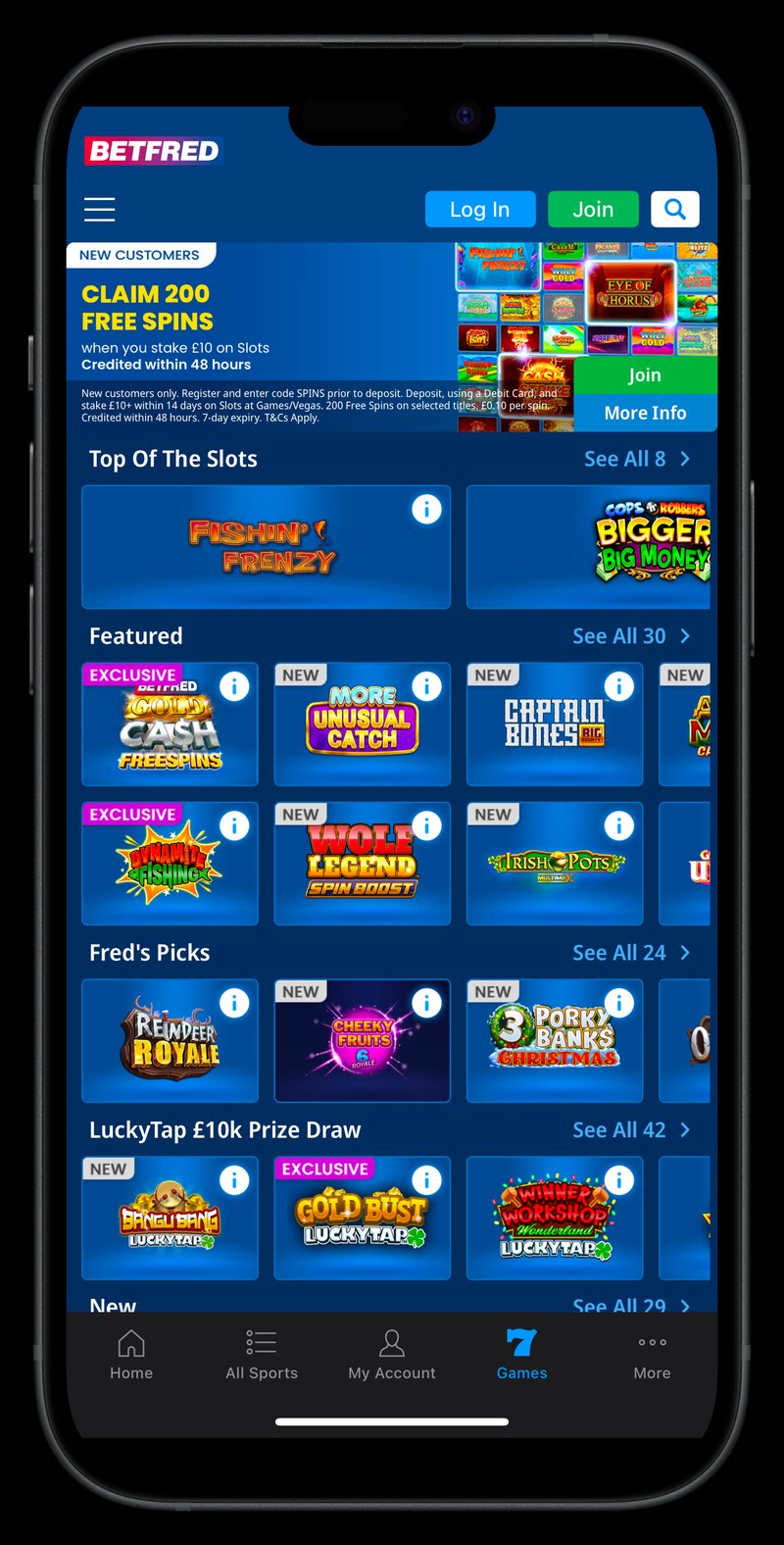
While mobile esports keeps pushing the boundaries of competitive gaming, the same smartphone platforms that host these tournaments also power a vast array of online entertainment options—from streaming shows to digital betting. If you’re curious about how the same device that runs your favorite game can also provide a quick slot or poker session, you might want to check out a reputable online casino.
What It Means for the Future
The convergence of powerful hardware, instant connectivity, and a monetization model that rewards both skill and creativity is driving a new era of esports. By 2026, we expect the mobile esports market to exceed $4 billion in revenue, and the line between casual play and professional competition will blur even further. For anyone who thinks esports is only about consoles and PCs, the next championship is already happening in a pocket-sized arena.
Takeaway
Smartphones have moved from simple gaming devices to full‑blown competitive platforms. With 5G, high‑performance chips, and a global audience that’s growing by the month, mobile esports is not a niche— it’s the new mainstream. Whether you’re a casual gamer, a professional, or just looking for a quick thrill, the future of competitive play is right in your pocket.